
Here’s something weird about Alabama winters: your house can feel like the Sahara Desert one week and a Louisiana swamp the next. Both situations are miserable, both are hard on your house, and both can make your family sick. At Southeastern Mechanical Services, we get calls about humidity problems all winter long, and honestly? Most people don’t realize how much their HVAC system affects indoor moisture levels.
Let’s talk about what’s actually happening in your Decatur, AL home when humidity goes haywire, and more importantly, how to fix it without turning your house into a science experiment.
What’s the Right Humidity Level Anyway?
The EPA recommends keeping indoor humidity between 30 and 50 percent year-round. That’s a pretty wide range, which is good because it gives you some wiggle room. In winter, you’re usually aiming for the lower end (30-40%) to prevent condensation on cold windows. In summer, you can let it climb toward 50% without problems.
But North Alabama makes this tricky. Our winter weather bounces around like crazy. One day it’s 65 degrees and humid, the next it’s 25 degrees and bone dry. Your HVAC system is trying to keep up, your house is reacting to these swings, and you’re stuck in the middle wondering why your skin is cracking or why there’s mold growing in your bathroom.
The Too-Dry Problem (Low Humidity)
Most Decatur homes deal with low humidity during winter, especially when heating systems run constantly during cold snaps. Here’s what happens: your furnace or heat pump pulls in cold outside air (which can’t hold much moisture), heats it up, and distributes it throughout your house. That heated air can hold a lot of moisture, but it doesn’t have any, so it acts like a sponge and pulls moisture from everything in sight.
Signs Your Home is Too Dry:
- Static electricity shocking you every time you touch a doorknob
- Waking up with a sore throat or bloody nose
- Dry, itchy skin no matter how much lotion you use
- Gaps appearing in wood flooring or furniture
- Houseplants dying despite regular watering
- Increased respiratory issues and more frequent colds
Low humidity isn’t just annoying, it’s actually unhealthy. Dry air dries out your nasal passages, which are your body’s first defense against viruses and bacteria. This is partly why people get sick more often in winter. Your nose can’t trap germs effectively when it’s dried out.
Quick Fixes for Dry Air:
Before you buy a humidifier, try these simple solutions. Leave bathroom doors open after showers to let moisture spread through the house. Put pots of water on radiators or near heat vents. Air-dry laundry indoors instead of using the dryer. Keep a few houseplants (they release moisture through their leaves). Cook more on the stovetop instead of in the oven.
These help, but they usually aren’t enough for our heating season. That’s when you need to think about humidifiers.
Humidifier Options That Actually Work
You’ve got two main choices: portable units or whole-house systems.
Portable Humidifiers
These work fine for single rooms. You fill them with water, they create mist or steam, and they bump up humidity in that space. The problem? You’re constantly refilling them, they only work in one room, and if you don’t clean them religiously, they become mold factories.
If you go this route, get one with a humidistat so it shuts off automatically when humidity hits your target level. And clean it weekly, not monthly. Dirty humidifiers pump bacteria and mold spores into your air, which defeats the whole purpose.
Whole-House Humidifiers
These install directly into your HVAC system and add moisture to all the air that flows through your house. They’re more expensive upfront but way more convenient and effective. You fill them once or connect them to your water line, set your desired humidity level, and forget about them until maintenance time.
We install these regularly in Decatur homes, and the difference is dramatic. No more shocking doorknobs, no more bloody noses, wood floors stay intact, and people just feel better.
The Too-Damp Problem (High Humidity)
This is less common in winter but still happens, especially during those mild, wet weeks we get. High humidity feels muggy and uncomfortable, but worse than that, it creates perfect conditions for mold, mildew, and dust mites.
Signs Your Home is Too Humid:
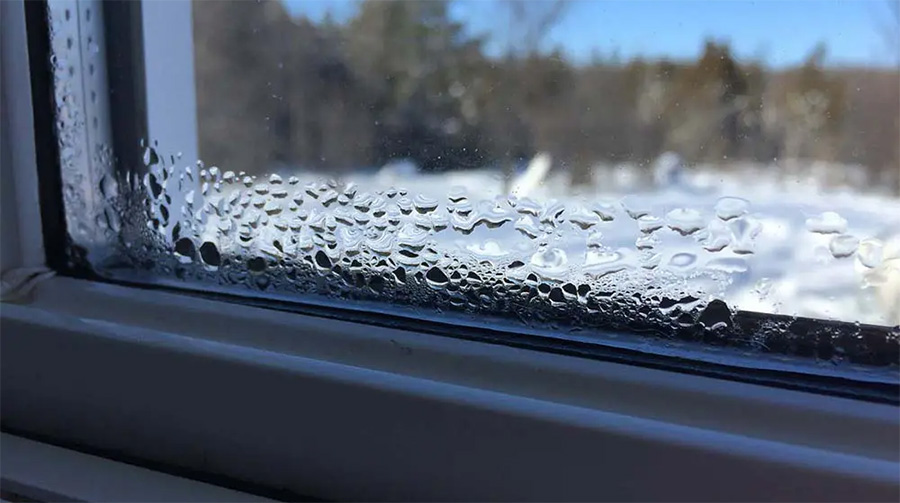
- Condensation on windows, especially in the morning
- Musty smells in closets or bathrooms
- Visible mold growing on walls, ceilings, or around windows
- Bathroom walls staying damp long after showers
- Wallpaper peeling or paint blistering
- Allergies and asthma getting worse indoors
High winter humidity usually means you’ve got a ventilation problem. Your house is too tight (which is normally good for energy efficiency) but you’re not exhausting moisture properly.
Quick Fixes for Damp Air:
Run bathroom exhaust fans for at least 20 minutes after showers, not just while you’re in there. Use your kitchen exhaust fan when cooking, especially when boiling water. Open windows briefly on dry days to exchange some air (yeah, it wastes a little heat, but sometimes it’s necessary). Fix any plumbing leaks immediately because even small drips add moisture to your air.
When Your HVAC System is the Problem
Sometimes your humidity issues trace directly back to your heating and cooling equipment.
Oversized Heating Systems
If your furnace or heat pump is too big for your house, it heats quickly and shuts off before running long enough to circulate air properly. This creates hot spots, cold spots, and humidity imbalances throughout your home. Unfortunately, the fix is replacing the equipment with properly sized units.
Poor Ductwork
Leaky ducts in your attic or crawlspace pull in outside air (and outside humidity levels) and distribute it through your house. Sealing those leaks improves both temperature control and humidity management.
No Fresh Air Intake
Newer, tighter homes need mechanical ventilation to bring in fresh air and exhaust stale, moist air. Without this, you’re just recirculating the same air and whatever moisture your family generates through cooking, showering, and breathing.
The North Alabama Humidity Swing Problem
Our biggest challenge locally is that Alabama weather refuses to stay consistent. You might need a humidifier one week and a dehumidifier the next. This drives people crazy.
The solution? A good programmable or smart thermostat with humidity control. These can monitor indoor humidity and adjust your HVAC system operation to maintain target levels automatically. Some can even control humidifiers and dehumidifiers independently from heating and cooling.
It costs more upfront than a basic thermostat, but it solves the problem without you having to constantly fiddle with settings.
Health Impacts You Should Know About
Humidity affects more than just comfort. The EPA notes that keeping humidity in the proper range helps prevent respiratory issues, reduces allergen exposure, and can even affect how vulnerable you are to viruses.
Too dry, and your mucous membranes dry out, reducing their effectiveness at trapping pathogens. Too humid, and you’re creating an environment where mold, dust mites, and bacteria thrive. Both scenarios make your family sick more often.
This is especially important if anyone in your house has asthma, allergies, or other respiratory conditions. Proper humidity control can be the difference between constant medication and actually feeling decent.
Monitoring Your Humidity
You can’t manage what you don’t measure. Pick up a hygrometer (humidity gauge) from any hardware store for about $10-20. Put one in your bedroom and one in your main living area. Check them occasionally to see where your humidity actually sits.
Don’t obsess over the numbers, but do pay attention to trends. If you’re consistently below 30% or above 50%, something needs adjusting.
Professional Solutions for Persistent Problems
Sometimes DIY fixes aren’t enough. If you’ve tried portable humidifiers, run exhaust fans religiously, and still can’t get your humidity right, it’s time for professional help.
At Southeastern Mechanical Services, we can:
- Install whole-house humidifiers or dehumidifiers
- Add proper ventilation systems to exchange indoor and outdoor air
- Seal ductwork to prevent humidity from crawlspaces and attics
- Upgrade thermostats to ones with humidity control
- Assess whether your HVAC system is properly sized
The right solution depends on your specific house, your HVAC system, and what’s actually causing your humidity problems. A proper assessment beats guessing every time.
Get Your Humidity Under Control
Winter humidity problems aren’t something you just have to live with. Whether your house feels like Death Valley or the Amazon rainforest, there are real solutions that work.
If you’re tired of static shocks, bloody noses, mold growth, or just feeling generally uncomfortable in your own home, contact us or give us a call at 256-686-3444. We’ll figure out what’s causing your humidity issues and recommend solutions that actually make sense for your house and budget.
Because you should be comfortable in your home year-round, not just during the three weeks when Alabama weather accidentally gets humidity right.